
After the excitement and panic of moving onboard our narrowboat, we slept well on our first few nights, probably because we were knackered! We soon got used to life on the boat and the marina.
Initial problems we had were with the multifuel stove that needed to be resealed before we could use it. It was cold in the evenings, but thankfully we had brought a couple of electric heaters with us to warm us and the boat up. Several of the doors didn’t close properly and we put that down to the fact they were damp and would soon get back to normal once we could warm things up.
Brrrrrr IT’S COLD IN HERE!
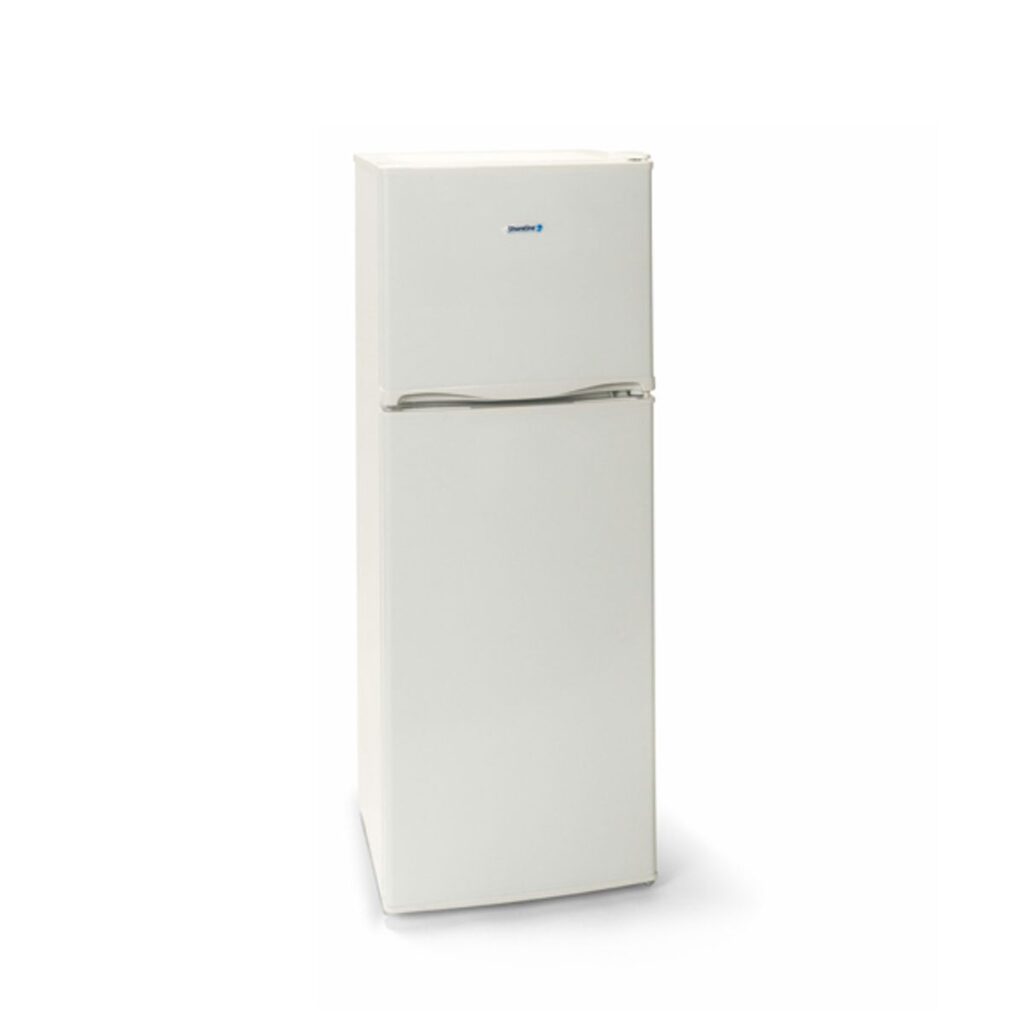
The cold didn’t bother our lack of a fridge/freezer, which, although worked for a couple of days, had now decided to pack up completely and refused to get any colder than 10 degrees! We found that the bottom of one of the cupboards sat just under the water line and was perfect to keep milk, butter – and beer, cold.
One fact you learn very early one when owning your own boat, is that anything 12v, or that is made for a boat (or any marine craft) will cost you several times their 240v or household equivalent. A replacement fridge/freezer cost £600 (about $800) Compared to a standard one at around £250 it’s a hefty cost to swallow!
DIRTY LAUNDRY!
The next item on our replacement list, which we knew about when we were looking at The Boat, was that the installed washing machine was kaput and would need replacing if we wanted to wash our clothes whilst we were travelling. It’s not a big deal if you don’t have one onboard as there are plenty of marinas and washing facilities located here and there on the canals. However, the convince of having one on board and with our generator able to provide more than enough electricity to power it, replacing it would be a no-brainer…or so we thought.
The thing with bringing any large item in or out of the boat means checking and double checking the clearances of the external doors – can we get the old one out, for instance? The answer being, NO!
How it got on the boat in the first place is a mystery, but without some brute force and ignorance it wasn’t coming out in one piece! Thankfully a couple of willing volunteers at the marina armed with a large mallet were able to crush the old machine into a more manageable size in order for it to be manhandled out of the side hatch.
Thankfully, as a replacement would also be 240v we were able to pick up one – of the correct size to fit in, which wouldn’t cost the price of a small island!
THE BOGS
Our decision then came round to which of the two toilets we’d been left with would we eventually fit in?
The boat had originally had a pump out toilet, but that and the tank that holds the waste, had been taken out by the previous owners. Not that it bothered us. – A. because we’re not big pump out fans, and B. It gave us loads of storage space under the double bed.
However, we did have a cassette toilet and a compost loo staring at us and we had to decide which one we would go with. Having given it a lot of thought, we came to the conclusion that the cassette would give us what we wanted with plenty of Elsan points in which we can dispose of our waste. There’s a big debate about the whys and wherefores of composting loos, most of which centre around the correct (or incorrect) way that they should be used. In order to do it properly we decided we didn’t want to store the solid waste for an extended period of time in our engine room, or try and locate suitable composting facilities near the canal – if any actually are! We certainly didn’t want to “bag it and chuck it!” ie throw the solid waste bagged up into an ordinary waste bin. CRT have an article on this subject if you’re interested in the debate.
Toilets on narrowboats is a usual topic of debate when two or more boaters meet up….FACT!